
 Business License

Filter Cloth Selection Guide: 6 Factors Buyers Often Miss
1. The cloth that failed a spec but passed a quote
A buyer a while back approved a filter cloth because the quote looked right and the micron grade matched. The cloth passed the spec sheet yet failed on the press within days. The missing factor was not on the data sheet at all.
The plant lost a run of product and spent hours refitting a different grade. The cause was a seam type that the cheap quote had changed without flagging. A number that looked identical hid a detail that broke the seal.
This guide lists six factors buyers overlook when choosing filter cloth. We focus on the quiet items that decide life and fit on the floor. The aim is to help you ask better questions before the roll arrives.
2. Why buyers miss the quiet factors
Most buyers compare cloth by price and a single micron number from the sheet. Those two fields are the easy ones to read and the least likely to predict service life. The factors that matter sit in how the cloth behaves under load.
A data sheet shows a pore but not how the cake releases after a wash. It shows weight but not how the seam holds on a plate under squeeze. Zonel Filtech typically walks clients through these field behaviors rather than the headline figures alone.
The pressure to cut cost also pushes the quiet factors off the table. A cheaper roll with a weak seam looks fine until the first changeout. Our team sees the same failure pattern repeat when buyers shop on the surface numbers.
The fix is to treat the cloth as a system part, not a commodity. Ask what the grade does on your machine, not what it prints on paper. The six points below turn that question into a checklist you can use.
A buyer who adopts the checklist rarely regrets the extra questions at order time. The cost of one wrong roll outweighs the time spent on a short call. The discipline pays back on the first press that runs to plan.
3. Factor 1: particle size distribution
Buyers often name one cut size and ignore the spread around it on the line. Real slurries carry a mix, and the fines decide how fast the cloth blinds. A cloth matched to the average misses the tail that clogs it.
The distribution tells you whether a sharp surface weave or a depth structure fits. A narrow feed suits a precise woven grade with a clean cutoff. A broad, fine-laden feed needs depth and a margin below the bulk.
In our experience the tail, not the peak, sets the change interval in service. A plant that measures the spread picks a grade that runs longer for the same clarity. Changzhou Zonel Environmental Technology asks for a size report before naming a cloth.
Skipping this step is why two plants with the same grade see different life. The feed, not the label, drives the result on the press. Measure the distribution, then match the cloth to it.
Free particle counts from a lab give a clearer picture than a single stated grade from a supplier. A distribution curve shows the tail that a headline number hides from view. Share the curve with your maker so the cloth matches the real feed.
4. Factor 2: cake release behavior
Cake release decides your cleaning labor and the cloth life over a run. A cloth that sheds cake as a sheet needs less wash and fewer changes. A cloth that smears the cake into the structure blinds early and costs more.
The finish and the weave together set how the cake lifts after squeeze. Some grades release well dry but stick when the slurry carries fines or moisture. Our team checks release on a sample under the client's wash method, not in a dry lab.
Buyers who ignore release pick a cheap cloth that needs constant attention. The labor and downtime overtake the saved cost within a month on a busy line. Zonel Filtech rates release as a primary field, not a footnote.
A short wash test on site shows release better than any claim on paper. Watch how the cake drops and how clean the cloth looks after. That view predicts the next ten changes, not just the first.
5. Factor 3: seam type and fit
The seam is where many cloth failures actually start on a press. A weak or wrong seam leaks solids past the plate and ruins the filtrate. The cheapest quote often quietly changes the seam to cut cost.
Seam type must follow the plate design and the pressure of the machine. Welded, sewn, and molded edges each suit different duties and fluids. Changzhou Zonel Environmental Technology cuts and seams to the client's drawing so the fit matches the seal.
A cloth that fits poorly also wastes material at install and during refit. Sending the plate outline avoids the gap that lets slurry bypass the media. Good fit is half of good filtration before the run begins.
Buyers should specify the seam on the order, not assume it carries over. A reorder without the drawing can arrive with a different edge and fail. Name the seam, the edge, and the fit to protect the result.
Edge finish also affects leakage at the plate, not just the seam line itself. A melted or folded edge that lifts under pressure lets slurry weep past the seal. The company checks the edge on the finished panel, not just the seam row.
6. Factor 4: chemical load over time
The chemical load in a stream changes as the batch and the season change. A cloth that survives the first week may fade by the third as traces build. Static specs miss the drift that wears media in service.
pH and trace solvents shift the aging curve more than the bulk suggests. A fiber strong at pH 8 may weaken at pH 9 once additives enter the mix. Our team reviews the operating range, not a single point, before recommending a fiber.
Buyers who test once and forget the drift see life fall without a clear cause. A log of cloth age against batch helps spot the chemical trend early. Zonel Filtech advises grading for the worst week, not the mild one.
Designing for the drift prevents the mid-run failure that stops a line. The cloth should outlast the hardest batch you feed it. That margin is cheaper than a surprise change during peak output.
7. Factor 5: cleaning method compatibility
How you clean the cloth must match how the cloth is built on the line. A grade meant for a gentle wash may fail under a high-pressure rinse. The cleaning force, not just the fluid, decides media life.
Some cloths tolerate repeated wash and keep their structure intact. Others shed fibers or lose finish after a few cycles and blind. Changzhou Zonel Environmental Technology checks the cleaning method before naming a grade for reuse.
Buyers who change the wash without changing the cloth see early failure. A new solvent or a hotter rinse can undo a grade that ran fine before. Our team maps the cleaning plan into the cloth specification as a field.
Treat cleaning as part of the cloth choice, not a separate decision after. The method and the media must be specified as a pair. A mismatch here shortens life regardless of how good the fiber is.
Record the wash recipe with the cloth grade so a later change does not break the pair. A new solvent introduced without review is a common source of early failure. Keep the cleaning plan on the same spec sheet as the media.
8. Factor 6: trial protocol before bulk
The sixth factor is the step most buyers skip: a short on-site trial before the full roll. A small panel on the press confirms the grade in your slurry, not in a lab. The trial turns a guess into a measured choice.
A good protocol runs the sample through a full shift and records pressure and clarity. The numbers then guide the bulk order with confidence rather than hope. Zonel Filtech usually supplies swatches and a panel for that check on request.
Buyers who skip the trial risk a large wrong shipment that stops a line. The saved time upfront costs far more in downtime and refit later. Our team treats the trial as standard practice, not a premium service.
Keep the trial data with the spec so the next purchaser repeats the win. A short log of pressure and clarity per grade beats any brochure claim. The plant owns the proof once the test is run.
A trial also trains the operator who will run the grade day to day on site. Familiarity with the cloth behavior reduces mistakes at the first changeout. The human factor is part of why trials beat paper specs alone.
9. How Zonel Filtech supports selection
The company runs five specialized workshops covering cloth, bags, housings, and air slide fabric under one roof. Our team requests a slurry sample and the press drawing before naming a grade. We also cut and seam to the client's dimensions in the same facility.
Changzhou Zonel Environmental Technology built its filtration business around liquid-solid separation starting in 2008. That focus shows in how grades are named for reuse across a client's sites. Buyers receive a cloth matched to the slurry, not a catalog guess from a warehouse.
For a first order, the company typically runs a small trial while the main line keeps running. A short test confirms the grade before a full roll commitment and protects the budget. This step costs a little time and avoids a large wrong shipment.
With more than 220 staff across technical and production departments, the team can support both the trial and the bulk without delay. That capacity is why repeat buyers stay on one grade across years. The support covers the six factors above, not just the headline number.
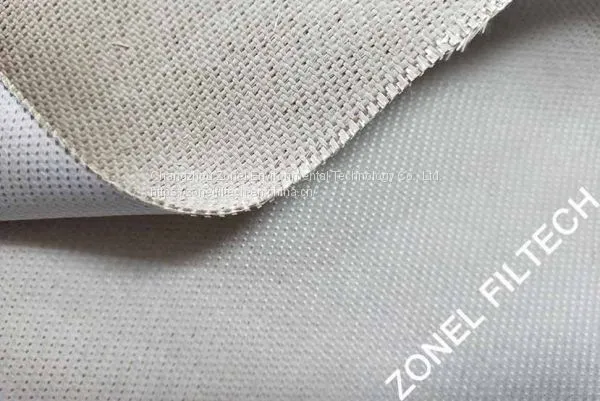
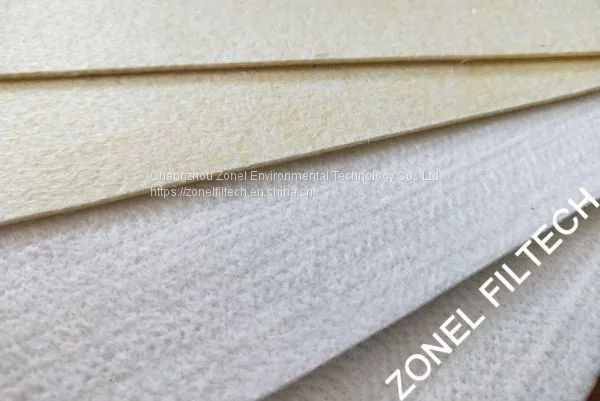
10. FAQ
10.1 What is the most overlooked factor in cloth selection?
Cake release is the one buyers name least and feel most in service. A cloth that releases well cuts wash labor and extends life across the run. The data sheet rarely shows it, so a wash test on site is the honest read.
Zonel Filtech rates release as a primary field during selection. A cheap cloth that sticks costs more within a month than a better one. Ask how the cake drops, not just what the pore prints.
10.2 Should I always pick the finest micron grade?
No, a finer grade blinds faster and raises pressure without improving your result. Match the grade to the cut size and leave margin for the fine tail. The right grade runs longer and keeps the filtrate clear through the shift.
Our team recommends a step below the bulk rather than the smallest number. A sample test on your slurry confirms the choice better than a chart. Finer is not cleaner once the cloth chokes.
10.3 How important is the seam on filter cloth?
The seam is where many failures start because a weak edge leaks solids past the plate. The cheapest quote often changes the seam silently to cut cost. Specify the seam and the fit to protect the result on the press.
Changzhou Zonel Environmental Technology cuts and seams to the client's drawing. A good seam keeps the filtrate clean and the change quick. Name it on the order so the reorder matches the first.
10.4 Do I need a trial before a bulk cloth order?
A short trial turns a guess into a measured choice and protects the budget. A small panel on the press confirms the grade in your slurry, not a lab. Zonel Filtech supplies swatches and a panel for that check on request.
Skip the trial and you risk a large wrong shipment that stops a line. The saved time upfront costs more in downtime later. Keep the trial data so the next order repeats the win without re-testing.
Recently Posted
-
Nylon vs PTFE Filter Bags: Chemical Resistance Compared
August 27, 20261. The acid leak that traced back to a bagA plating line some time ago switched bags to cut cost and within weeks the housing leak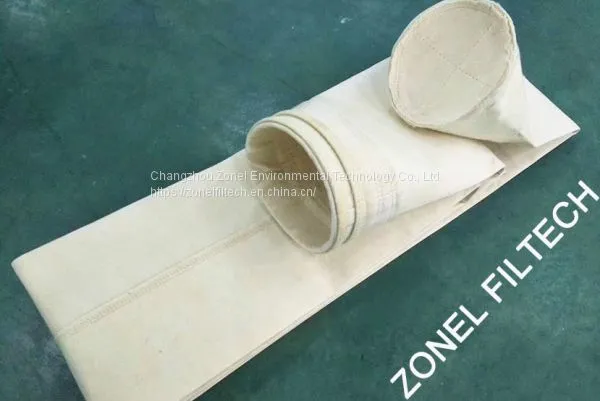 Read More
 -
Filter Bag Basics: How Industrial Dust Collection Bags Work
August 26, 20261. The failed bag that shut a lineA cement packing line a while back ran fine until the baghouse pressure crept upward over a few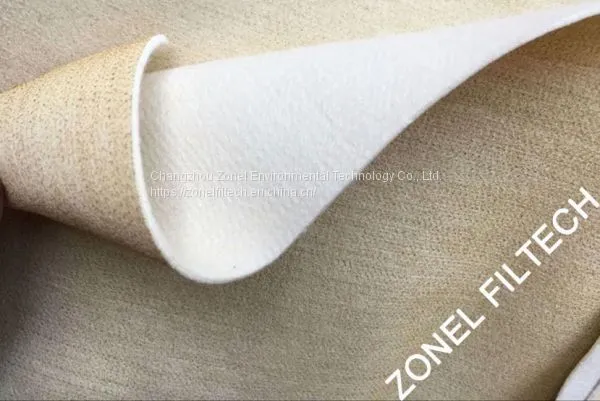 Read More
 -
Filter Cloth in Mining Dewatering: A Real Slurry Case
August 25, 20261. The tailings pond that would not dryA copper operation a few years ago struggled to dewater tailings for backfill underground.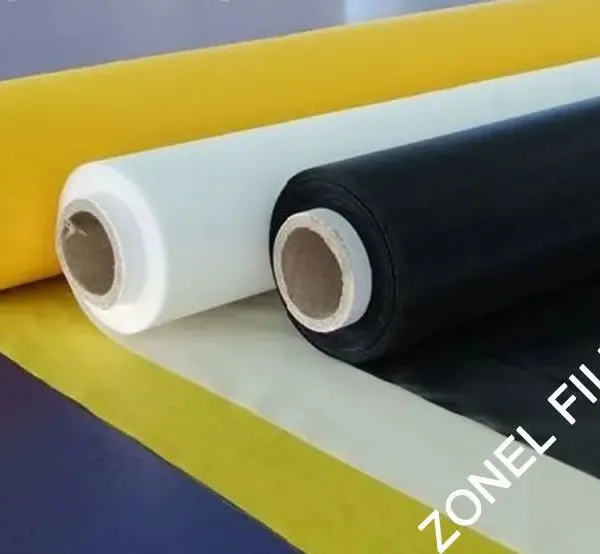 Read More
 -
ilter Cloth Technical Specs: Air Permeability, Weight, and Tensile
August 25, 20261. The press that ran hot because no one read the specA gypsum line some time ago bought cloth by price and ignored tensile on the Read More

Contact Us
Recommended Products
-
 Woven Filter Fabrics / Filter Cloth / Filter Press ClothNegotiableMOQ: 100 Meters
 -
Pulse Jet Bag Filter Housing and Filter Housing AccessoriesUS$ 500 - 2000MOQ: 1 Piece
-
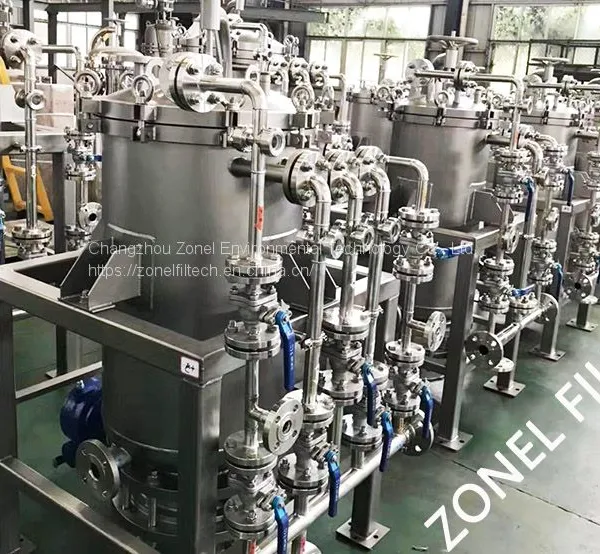
Candle Filters/ Candle Filter SystemNegotiableMOQ: 1 Set
-
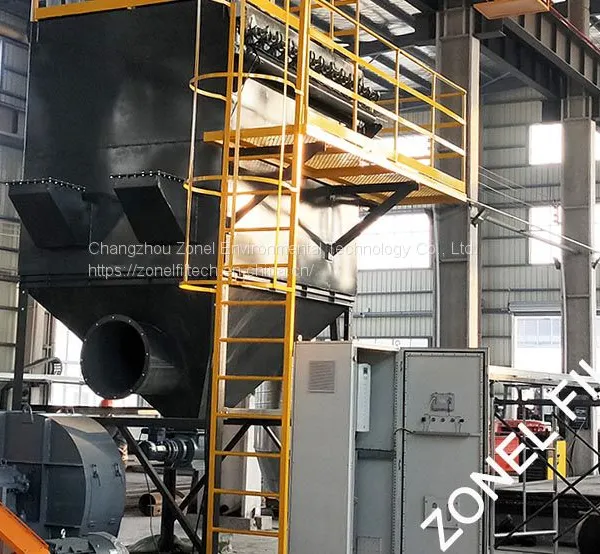
Oblique Installing Cartridge Dust Collector/Cartridge Dust Collectors/ Dust Filter Cartridge FiltersUS$ 500 - 2000MOQ: 1 Set
-
Polyamide (PA)/Nylon Bolting Cloth / Mesh for Printing and General Filtration/ Filter MeshNegotiableMOQ: 100 Meters

-
Air Slide Hose/ Air Slide Hose for Cement Trailer/ Air Slide Hose for Cement SiloUS$ 1 - 3MOQ: 1 Meter
-
Polyester Needle Felt and Filter Bags for Dust Collector SystemsUS$ 1 - 2MOQ: 1 Piece
-
Anti-static Needle Felt Filter Cloth and Filter BagUS$ 1 - 2MOQ: 1 Piece
-
Filter Press Belt/ Vacuum Filter Belt/ Forming BeltUS$ 5 - 25MOQ: 1 Piece
-
PP Woven Filter Cloth for Filter PressUS$ 1 - 15MOQ: 1 Piece
-
PET Woven Filter Cloth for Filter PressUS$ 1 - 15MOQ: 1 Piece
-
The Filter Belt for Phosphoric Acid Filtration With Wet ProcessingUS$ 10 - 30MOQ: 1 Piece
-
SS Bag Filter Housing – Single Bag Side EntranceNegotiableMOQ: 100 Pieces
-
Vertical Installing Cartridge Dust Collector/Cartridge Dust Collectors/ Dust Filter Cartridge FiltersUS$ 500 - 2000MOQ: 1 Set
-
High Flow Cartridge Filter Housing-HFC SeriesNegotiableMOQ: 1 Set
-
SS Cartridge Filter HousingNegotiableMOQ: 1 Set
-
S.S. Multi-Bag Filter HousingNegotiableMOQ: 100 Pieces
-
Aramid / Nomex Needle Felt Filter Cloth for Dust Filter Bags Sewing; Nomex Dust Filter BagsUS$ 5 - 8MOQ: 1 Piece
-
Para-Aramid Filter Fabric / Kevlar Filter Cloth And Filter BagsNegotiableMOQ: 100 Meters
-
Polyester Air Slide Fabric, Polyster Air Slide Belt, Polyester Air Slide Membrane, Polyester Air Slide ClothUS$ 10 - 20MOQ: 1 Meter