
 Business License

Filter Cloth in Mining Dewatering: A Real Slurry Case
1. The tailings pond that would not dry
A copper operation a few years ago struggled to dewater tailings for backfill underground. The cloth blinded within days and the cake stayed too wet to handle on the belt. Trucks waited, and the pond kept growing through the season at the site.
The problem was a cloth matched to the wrong cut size for that ore, not a weak press on the floor. This article shows how filter cloth solves mining dewatering and walks through two field cases from service. The lesson is that ore, not catalog, decides the cloth you need.
When the pond stops growing, the whole site breathes easier because haul and storage costs drop. A small change in cloth choice can move a bottleneck that the plant had accepted for months. The cases below show how that shift happened in practice.
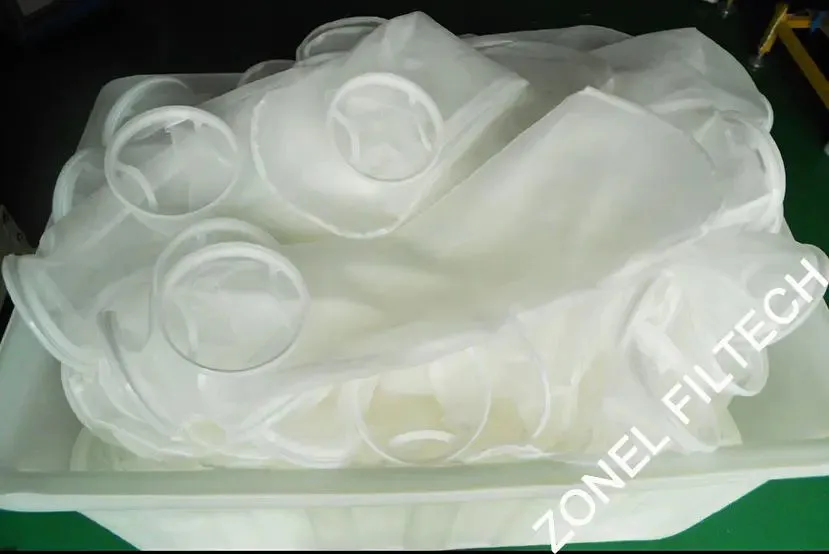
2. Why mining dewatering needs filter cloth
Mines move enormous volumes of slurry that must lose water before disposal or reuse on site. Filter cloth on a press or belt separates the solids into a handleable cake for the conveyor. The water returns to the circuit or to settlement for recovery in the plant.
Changzhou Zonel Environmental Technology Co Ltd supplies cloth for these duties across several metals and regions. Good cloth cuts haul cost and frees pond capacity on site for the operator. Poor cloth turns a press into a bottleneck that the whole plant feels every shift.
Dewatering is also a license to operate issue at many sites today. A wet cake costs more to move and can fail a storage rule in a region. The cloth is the cheap lever that keeps both the budget and the permit in good standing through the year.
Recovered water also lowers the mine's draw from local supply, which matters in dry regions during a long season. Closing the circuit with a good cloth cuts both cost and community pressure on the site. The cloth pays back through the water line as well as the solid one.
3. The slurry profile that decides the cloth
Three traits set the cloth choice: particle size, abrasiveness, and the chemicals in the water. Fine slime blinds fast and needs a structured weave to stay open under load. Coarse sand abrades edges and needs a tough fiber to survive the run.
Our team reviews the size distribution before suggesting a grade for a mine in service. Skipping this step is why so many mine cloths fail early on a press. The profile is the brief, and the cloth is the answer to it when matched with care.
Chemical content matters too, because pit water can run acidic for months at a site. A fiber that shrugs off the pH keeps the cloth alive while a weak one fades. Read the water, not just the rock, before you specify the media for the line.
Temperature is the third silent variable, because hot slurry softens some fibers faster than the charts suggest to a buyer. A warm thickener underflow can shorten life that looked fine on paper at the lab. Match the fiber to the running temperature, not to the cool sample taken at the edge.
4. Weave and fiber for mine duty cloth
Mines lean on polyester and polypropylene woven cloth for most dewatering work on a press. Polyester resists the abrasion of coarse concentrate, while polypropylene handles acidic pit water with ease. The two cover most sites between them across the year.
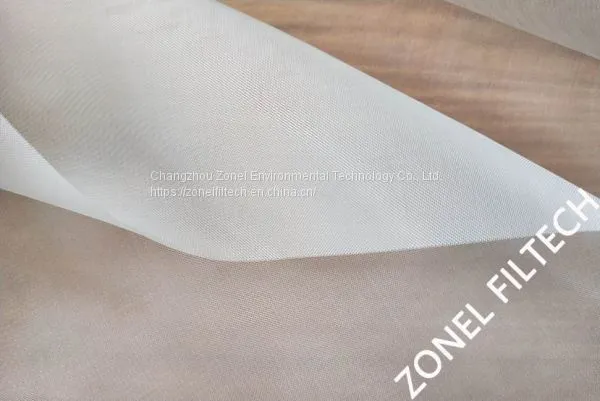
Zonel Filtech often specifies a monofilament surface for clean cake release in sticky ore on a belt. The weave sets both cut and discharge behavior during the cycle. A wrong weave holds cake and doubles wash labor for the crew on shift. Fiber and weave are chosen together, never alone, for mine duty.
For very fine slime, a calibrated monofilament beats a random weave by weeks of life. The surface lets the cake lift as a sheet instead of smearing into the cloth. That single design point decides whether the press runs or fights the feed all day.
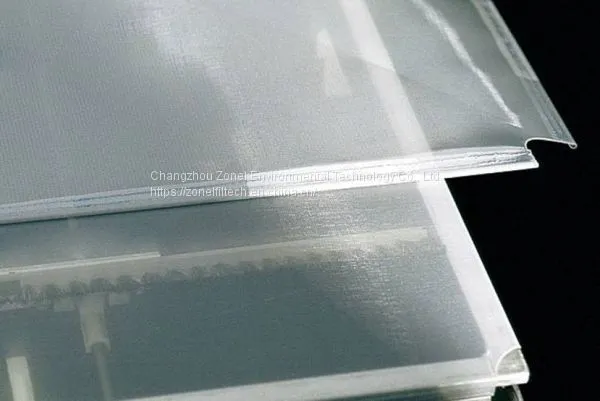
Seam type decides whether the sheet stays sealed through the squeeze on the plate during a run. A welded edge resists fray where a sewn one can wick slurry into the join under pressure. The company picks the seam with the weave so the weak point never sits at the cloth border.
5. A copper tailings case
An operation in a dry region needed cake below roughly 15 percent moisture for stacked storage. The first cloth, a standard felt, blinded within a week under the fine slime fraction. The pond kept rising while trucks idled at the loadout for days.
The team switched to a monofilament polyester cloth with a calibrated pore from the workshop. Cake moisture dropped near the target and life reached roughly six weeks per set on the press. Changzhou Zonel Environmental Technology cut the cloth to the existing press plates without new tooling.
The pond stopped growing within a month of the change, and haul cost fell with the drier cake. The site avoided a permit issue that a wet stack would have triggered in the region. A cloth change, not a capital project, solved a problem that had lingered for a season at the mine.
The crew needed a short briefing to run the new cloth, because the press geometry stayed the same on the floor. Training time was hours, not weeks, and the change stuck without a specialist on site. A swap that fits the existing plates is easier to adopt than a new machine would be.
6. An iron ore case
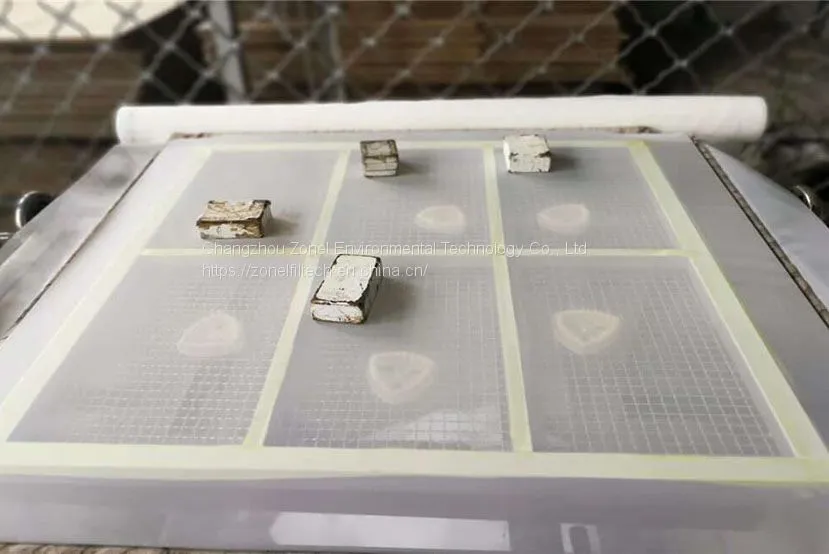
An iron ore concentrator some time ago fought low cake solids on a belt filter in service. The slurry was coarse but carried a clay fraction that smeared the cloth during the run. Wash cycles ran long and throughput suffered for weeks on the line.
The company specified a two layer weave: a support scrim under a fine surface for the duty. The clay released on wash and solids rose by several points after the change on the belt. Our team tuned the weave after a short on-site trial with the plant crew.
Throughput improved without new equipment, and the change paid back in a single quarter at the site. The table below contrasts the two cases and the different cloth answers each needed. Different problems required different structures, not just a different fiber from the shelf.
Clay is the quiet tax on many belt filters, because it lowers solids and lengthens wash without a clear cause on the line. Catching it early with the right surface saves more than the cloth price over a year. The iron site learned to read the clay fraction as a separate load, not part of the sand.
| Case | Problem | Cloth answer |
|---|---|---|
| Copper tailings | Fine slime blinding | Monofilament polyester |
| Iron ore | Clay smear | Two layer weave |
7. Operating the press for longer cloth life
Life improves with a steady cycle and a correct squeeze pressure on the plate. Over-pressure wrinkles the cloth and opens bypass paths that spoil the cake behind it. Regular wash between sets keeps pores open and extends service through the campaign.
Zonel Filtech advises plants to log change intervals per ore type through the year. When the feed shifts, the cloth should be reconsidered, not left as is on the press. Small operating discipline protects a costly media from early failure on the floor.
A simple log of moisture and pressure per set shows when the ore changed the game. The crew can then swap to the backup grade before the main one fails mid-run. That habit turns a surprise stoppage into a planned change during a shift change.
Keeping a spare set of plates dressed with the backup cloth removes the wait from a grade swap on the floor. The change becomes a coffee-break job rather than an afternoon outage for the plant. Readiness, not just the right grade, is what keeps the press in service through a feed swing.
8. What to measure on site
Measure cake moisture, cycle time, and pressure rise per set during the run at the mine. Track cloth life against ore grade because a change in feed changes the answer for the buyer. Numbers beat memory when a cloth underperforms on a press.
Changzhou Zonel Environmental Technology asks for these figures when a mine reports short life on a line. The data shows whether the cloth or the operation is at fault on the floor. Measurement turns a complaint into a correction that sticks across the next shipments.
For a new ore body, measure for the first two weeks before trusting the old grade. The early numbers set the baseline that later orders repeat with confidence. A site that measures owns its result instead of guessing at the cause of a failure.
Sharing that log with the supplier tightens the next grade before the old one runs out at the mine. The workshop uses the field numbers to nudge the weave or the pore for the reorder. That loop is why repeat buyers see the cloth improve quietly across the seasons.
9. How Zonel Filtech supports mine sites with cloth
The company ships cloth cut to press and belt dimensions with a documented spec per grade. Our team runs trials on site when the ore is new or variable across the season. Zonel Filtech supplies mines in more than 40 countries from its Changzhou workshops with stock.
For remote sites, the company recommends a buffer stock to avoid a shut down on a single failed roll. Support is practical, not just a shipment out the door of the plant. A mine keeps running because the right cloth arrives before the old one fails in service.
With over 220 staff across technical and production departments, the team can scale a trial to a full order without losing the grade. The same batch record travels from the first panel to the full roll. That continuity is why a remote site can trust the cloth it receives each quarter.
10. FAQ
10.1 What filter cloth works for fine mine slime?
A monofilament or structured weave with a calibrated pore resists blinding better than a flat felt in service. Polyester holds up to the abrasion of most slimes on a press. The exact grade follows the size distribution of the feed you run at the mine.
Our team reviews a sample before specifying the cloth for a new site in the field. A short trial confirms the pore before a full order of rolls. Guessing from the ore name alone misses the slime fraction that causes the failure on a line.
10.2 How do I lower cake moisture in dewatering?
Tighten the cut slightly and keep squeeze pressure steady, but avoid over-fine cloth that blinds too soon. Cake release and wash rhythm matter as much as the grade on the press. Changzhou Zonel Environmental Technology tunes both during a trial at the site.
Moisture drops when the whole cycle is balanced, not when one number is forced lower. Pressure, weave, and wash must move together for a dry cake. Forcing the pore alone often backfires and wets the cake more than before on the belt.
10.3 How long should mine filter cloth last?
From a few weeks in harsh fine slime to a few months in coarse duty, life varies widely by site. Life tracks the ore more than the fiber choice in most plants over a year. The company logs field life per site to set expectations for the buyer.
A sudden drop usually signals a feed change, not a bad roll from the workshop. Check the ore grade before blaming the cloth on the press. The data settles the question quickly when the crew measures the run each set.
10.4 Can one cloth suit every ore at my mine?
Rarely, because ore grade shifts the slurry profile through the year at most sites. A flexible site keeps one primary grade and a backup for off-grade feed from the pit. Zonel Filtech can supply both cut to the same plates in the order.
Planning for variation beats assuming one cloth fits all loads that arrive. A second grade costs little and prevents a stoppage when the pit changes the ore. Keep the backup on the shelf, not in a quote, so the press never waits for a roll.
Recently Posted
-
Filter Cloth Selection Guide: 6 Factors Buyers Often Miss
August 28, 20261. The cloth that failed a spec but passed a quoteA buyer a while back approved a filter cloth because the quote looked right and Read More
 -
Nylon vs PTFE Filter Bags: Chemical Resistance Compared
August 27, 20261. The acid leak that traced back to a bagA plating line some time ago switched bags to cut cost and within weeks the housing leak Read More
 -
Filter Bag Basics: How Industrial Dust Collection Bags Work
August 26, 20261. The failed bag that shut a lineA cement packing line a while back ran fine until the baghouse pressure crept upward over a few Read More
 -
ilter Cloth Technical Specs: Air Permeability, Weight, and Tensile
August 25, 20261. The press that ran hot because no one read the specA gypsum line some time ago bought cloth by price and ignored tensile on the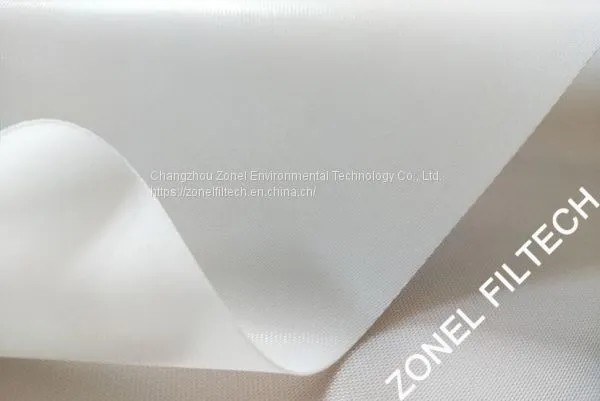 Read More

Contact Us
Recommended Products
-
 Woven Filter Fabrics / Filter Cloth / Filter Press ClothNegotiableMOQ: 100 Meters
 -
Pulse Jet Bag Filter Housing and Filter Housing AccessoriesUS$ 500 - 2000MOQ: 1 Piece
-
Candle Filters/ Candle Filter SystemNegotiableMOQ: 1 Set
-
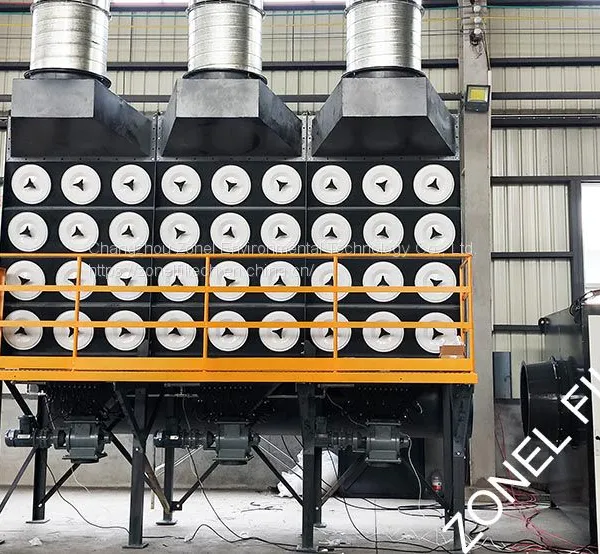
Oblique Installing Cartridge Dust Collector/Cartridge Dust Collectors/ Dust Filter Cartridge FiltersUS$ 500 - 2000MOQ: 1 Set
-
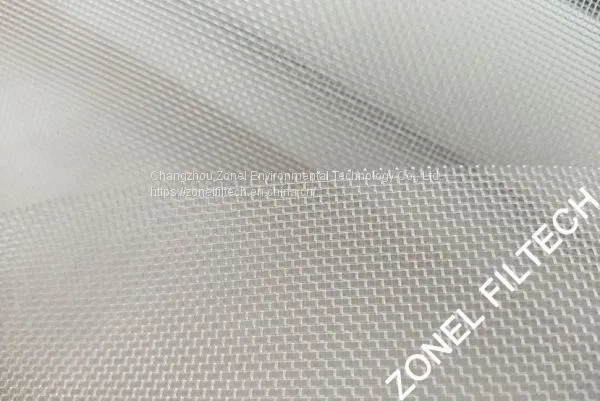
Polyamide (PA)/Nylon Bolting Cloth / Mesh for Printing and General Filtration/ Filter MeshNegotiableMOQ: 100 Meters
-
Air Slide Hose/ Air Slide Hose for Cement Trailer/ Air Slide Hose for Cement SiloUS$ 1 - 3MOQ: 1 Meter
-
Polyester Needle Felt and Filter Bags for Dust Collector SystemsUS$ 1 - 2MOQ: 1 Piece
-
Anti-static Needle Felt Filter Cloth and Filter BagUS$ 1 - 2MOQ: 1 Piece
-
Filter Press Belt/ Vacuum Filter Belt/ Forming BeltUS$ 5 - 25MOQ: 1 Piece
-
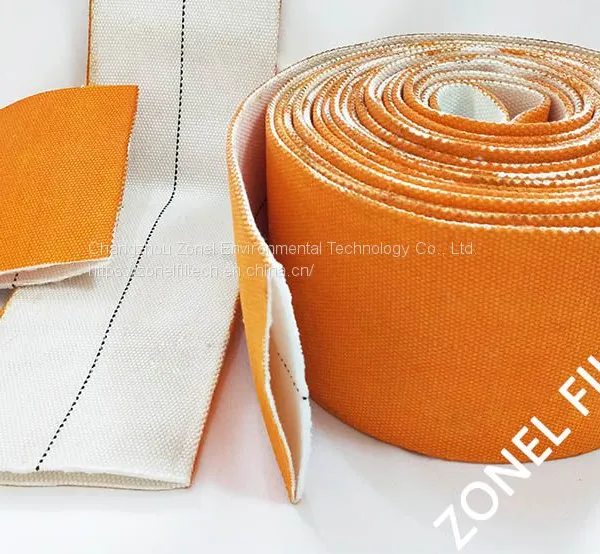
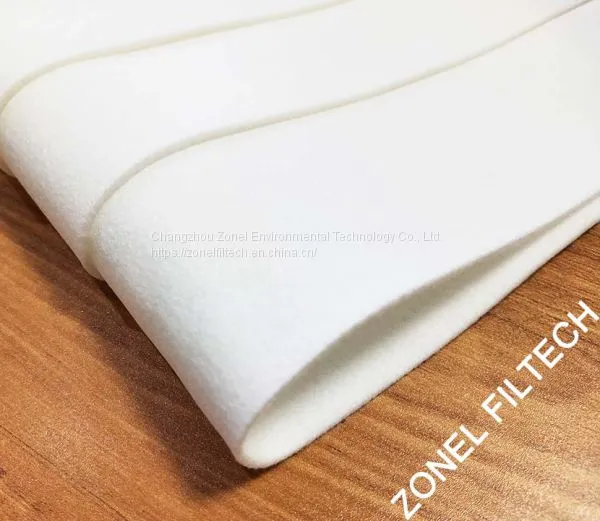
PP Woven Filter Cloth for Filter PressUS$ 1 - 15MOQ: 1 Piece
-
PET Woven Filter Cloth for Filter PressUS$ 1 - 15MOQ: 1 Piece
-
The Filter Belt for Phosphoric Acid Filtration With Wet ProcessingUS$ 10 - 30MOQ: 1 Piece
-
SS Bag Filter Housing – Single Bag Side EntranceNegotiableMOQ: 100 Pieces
-
Vertical Installing Cartridge Dust Collector/Cartridge Dust Collectors/ Dust Filter Cartridge FiltersUS$ 500 - 2000MOQ: 1 Set
-
High Flow Cartridge Filter Housing-HFC SeriesNegotiableMOQ: 1 Set
-
SS Cartridge Filter HousingNegotiableMOQ: 1 Set
-
S.S. Multi-Bag Filter HousingNegotiableMOQ: 100 Pieces
-
Aramid / Nomex Needle Felt Filter Cloth for Dust Filter Bags Sewing; Nomex Dust Filter BagsUS$ 5 - 8MOQ: 1 Piece
-
Para-Aramid Filter Fabric / Kevlar Filter Cloth And Filter BagsNegotiableMOQ: 100 Meters
-
Polyester Air Slide Fabric, Polyster Air Slide Belt, Polyester Air Slide Membrane, Polyester Air Slide ClothUS$ 10 - 20MOQ: 1 Meter