
 Business License

Nylon vs PTFE Filter Bags: Chemical Resistance Compared
1. The acid leak that traced back to a bag
A plating line some time ago switched bags to cut cost and within weeks the housing leaked a chemical smell. The nylon bags had softened where the bath mist met the fabric. A cheap swap turned into a spill risk and a halted line.
The plant lost roughly a shift of output and faced a cleanup that the savings never covered. The fault was not the bag shape but the fiber against the chemistry. A material chosen by price failed where the process needed resistance.
This article compares nylon and PTFE filter bags for chemical duty so you can choose with facts. We focus on where each resists attack and where it fails. The aim is to help you match the fiber to the stream instead of the budget alone.
2. Why chemical resistance decides bag life
A bag in a corrosive airstream fails from the inside out long before it looks worn. The fiber loses strength, the finish breaks, and the seam opens at the stress point. Chemical attack is the quiet cause behind many early bag changes.
The same bag that lasts a year in clean air may last weeks in an acid mist. Temperature and concentration change the rate of attack even for the same chemical. Zonel Filtech typically asks for the gas composition before recommending a fiber for dust duty.
Resistance is not a single yes or no but a range across chemicals and conditions. A fiber strong against one acid may weaken in an alkali at the same plant. Reading the resistance chart with your mix in hand prevents the surprise above.
Operators who track bag life against process changes catch chemical attack early. A sudden drop in life after a formula change points to the media, not the machine. The bag is a sensor for the stream when its history is kept.
Concentration matters as much as the chemical name, because a trace that is safe at low level becomes harmful as it builds in a closed loop. A plant that dilutes a stream at one point may still concentrate it at the collector. Read the worst expected level, not the average sample, when you choose the fiber.
3. Nylon filter bags: strengths
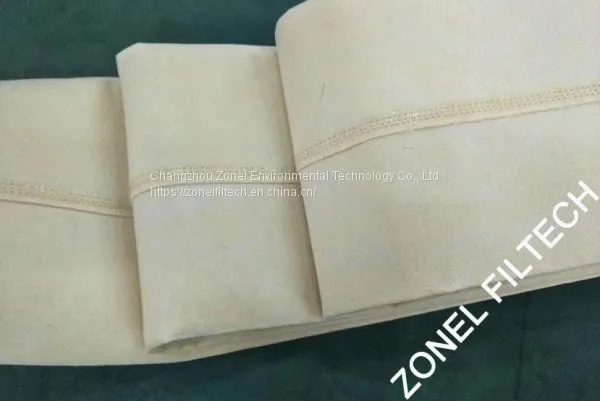
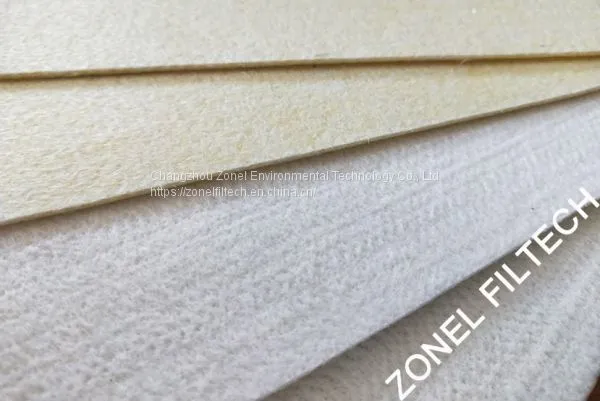
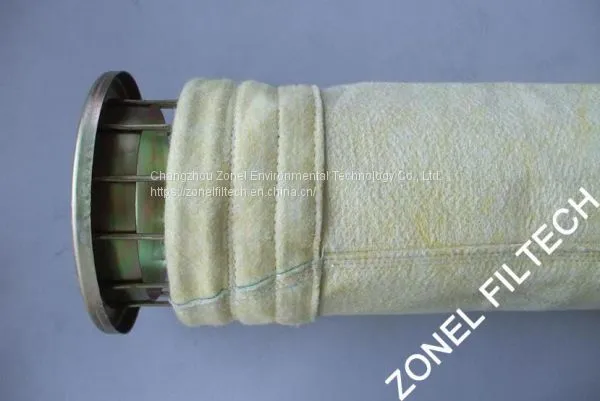
Nylon, or polyamide, brings high tensile and abrasion resistance at a modest cost. It handles many neutral organics and dry dust with good flex life. For mechanical shaker units it remains a practical workhorse in clean duty.
The fiber holds shape under repeated flex and resists tearing at the seams. Our team sees it perform well in wood, grain, and some powder lines without chemical load. In those duties it gives long life at a price most plants accept.
Nylon also tolerates mild alkaline conditions better than some common fibers. That edge keeps it in use where the dust carries a light base. The limit is the acid side, where the polymer weakens fast.
For a plant with neutral, dry, abrasive dust, nylon is often the sensible default. The savings are real when the stream is kind to the fiber. Step outside that window and the life falls quickly.
4. PTFE filter bags: strengths
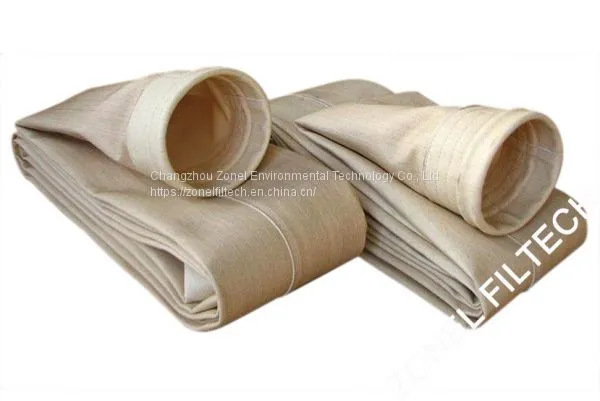
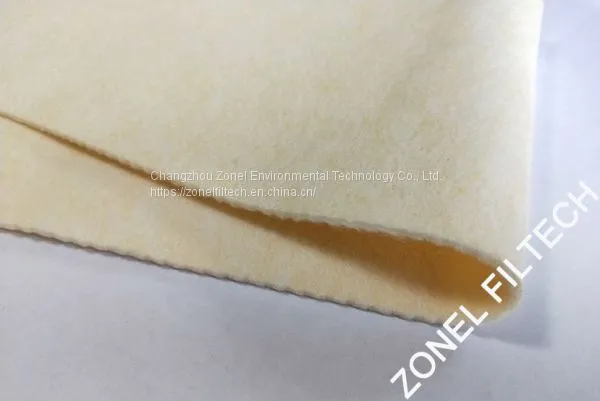
PTFE, or polytetrafluoroethylene, resists most acids, alkalis, and solvents across a wide range. It also tolerates high temperature that softens many other media on a line. For aggressive chemical dust it is the material of choice where life matters.
The fiber keeps its strength in streams that destroy nylon within weeks. Zonel Filtech supplies PTFE media with a membrane finish for very fine, sticky, or corrosive dust. That finish holds a low pressure drop while the base resists the chemistry.
PTFE also sheds dust well, which helps in sticky or high-moisture loads. The smooth surface reduces cake adhesion and eases cleaning on pulse systems. Plants with variable chemistry value that stability across seasons.
The trade is cost, because PTFE sits well above nylon on the price scale. The payback comes from fewer changes and avoided shutdowns in harsh duty. View it as insurance for the process, not as a routine purchase.
PTFE also keeps its shape under thermal cycling better than many alternatives on a line. That stability matters where the process heats and cools through the day. A media that creeps or relaxes loses seal and shortens the service between changes.
5. Head to head chemical resistance
Against strong acids, PTFE holds while nylon weakens and can fail early. Against strong alkalis, PTFE again stays stable where nylon loses strength over time. In neutral organic dust, both perform, and nylon wins on cost.
The table below contrasts the two across common plant conditions. Read it as a direction, not a guarantee, because trace additives shift results. Always confirm with a sample test in your actual stream before a full order.
| Condition | Nylon | PTFE |
|---|---|---|
| Strong acid mist | Weakens fast | Stable |
| Strong alkali | Loses strength | Stable |
| Neutral dry dust | Good, low cost | Good, higher cost |
| High temperature | Limited | Strong |
| Solvent vapor | Varies | Broadly resistant |
The gaps in the middle are where mistakes happen, because a mix of acid and heat defeats nylon fast. PTFE covers that middle ground at a price the budget must accept. Match the worst condition you expect, not the average, when you choose.
A third fiber sometimes enters the comparison for solvent-heavy lines where even PTFE has limits to watch. In those narrow cases a maker may suggest a specialized media rated for that solvent. The point is to test the actual vapor, not to assume the chart covers every mix you run.
6. Temperature and the bag choice
Heat accelerates every chemical reaction, including fiber attack, on a line. A stream that is fine for nylon at room temperature may attack it at process heat. PTFE keeps its margin as temperature climbs toward its high limit.
Nylon sits at a moderate ceiling that many industrial stacks exceed during upset. PTFE operates far higher and stays stable through thermal swings. Changzhou Zonel Environmental Technology checks both the chemical and the temperature window before naming a fiber.
When the two limits conflict, the tighter one rules the choice. A low-temperature acid still defeats nylon by chemistry alone. The safe path is to design for the worst hour, not the typical shift, on the floor.
Plants that run hot and corrosive should weigh PTFE even when the chemical alone looks borderline. The combined stress is what breaks bags in service. Designing for the pair prevents the failure mode above.
7. Cost vs life trade-off
Nylon costs less per bag and suits benign duty where life is already long. PTFE costs more but avoids changeouts and shutdowns in harsh streams. The math flips once chemical attack enters the picture on a line.
A plant that buys nylon for an acid mist may replace bags several times a year. The same duty on PTFE might run a year or more with one set. Our team models the change frequency, not just the unit price, when advising a client.
Hidden costs also include labor, disposal, and lost output during each change. A cheap bag that stops a line for a shift costs more than a dear one that runs. Count the stoppage, not the sticker, to see the real saving.
For shared streams that vary by season, a split approach can work on site. Keep nylon for the clean side and PTFE for the harsh side of the same plant. That mix respects both the budget and the chemistry without compromise.
Some buyers phase the upgrade, moving the harsh line to PTFE first and watching the result. That staged step limits risk and proves the saving before the full spend. A measured rollout often wins more support than a single large order.
8. Where each fiber fits
Nylon fits dry, neutral, abrasive dust in shaker or pulse units without chemical load. It also suits coarse powder handling where flex life matters more than fine capture. Think wood, grain, and mild mineral dust in kind conditions.
PTFE fits chemical plants, incineration, and acidic or alkaline process gas with heat. It also suits fine sticky dust where the membrane finish keeps pressure low. Zonel Filtech directs clients to PTFE when the stream defeats lower-cost media.
Some plants run both, separating duty by the source of the dust. That discipline keeps cost down where the air is clean and risk low where it is not. The fiber follows the gas, not the warehouse shelf.
Choosing by source rather than by a single plant average prevents over-spec and under-spec alike. A blanket nylon choice risks the harsh line, while a blanket PTFE choice wastes money on the clean one. Match the fiber to the fume.
Document the choice per line so a future reorder repeats the reasoning, not just the part number. A note on why PTFE was picked for the acid side prevents a cost cut that brings the failure back. The record keeps the gain when staff and budgets change.
9. How Zonel Filtech advises on fiber
The company runs workshops for bags and related media under one roof and tests resistance on finished goods. Our team reviews the gas composition, temperature, and cleaning method before naming a fiber. We also supply a small trial length so the plant confirms behavior on site.
Changzhou Zonel Environmental Technology built its filtration work around air-solid separation starting in 2008. That history shows in how bags are graded for the worst expected condition, not the mild one. Buyers receive a fiber matched to the stream, not a default from stock.
For a first order in chemical duty, the company typically requests a dust or gas sample and the operating range. A short trial confirms the media before a full bank and protects the budget. This step costs little time and avoids a large wrong shipment that stops a line.
With more than 220 staff across technical and production departments, the team can run a small trial while the main line keeps running. That capacity is why repeat buyers stay on one grade across years without re-testing each time.
10. FAQ
10.1 Is PTFE always the right pick over nylon for filter bags?
No material is right in every case, and the answer depends on the stream you run. PTFE wins in acid, alkali, solvent, and high heat where nylon fails early. Nylon wins on cost in neutral, dry, abrasive dust without chemical load.
The duty decides the winner, not the fiber rating alone. Our team asks for the gas mix and temperature before recommending either. Guessing by price is how plants end up replacing bags every few weeks.
10.2 Can nylon bags handle weak acid?
Nylon tolerates mild acid far better than strong acid but still weakens over time as concentration rises. A trace of acid in dry dust may be acceptable for a season with monitoring. A steady mist at any strength should push the choice toward PTFE instead.
Zonel Filtech reviews the actual concentration and temperature before approving nylon. A borderline case needs a sample test rather than a catalog guess. Watch bag life closely if you run nylon near any acid source.
10.3 Why does PTFE cost more than nylon?
PTFE uses a polymer and a process that cost more to make than nylon does. The membrane finish that aids fine capture adds another step on the line. The price reflects material and build, not a markup for the name.
The higher cost is offset by fewer changes and avoided shutdowns in harsh duty. A plant that counts stoppage time sees the payback within a season. View PTFE as process insurance where the chemistry is unkind.
10.4 How do I confirm the right fiber for my stream?
Send a dust or gas sample and the operating range to your supplier for a test. Changzhou Zonel Environmental Technology runs a short trial on finished media before a full bank. The result on site beats any chart when the mix is mixed or seasonal.
Keep a log of bag life against process changes after the trial. That record shows when the chemistry shifts and the fiber should shift with it. A monitored bag is a small sensor for the health of the line.
Recently Posted
-
Filter Cloth Selection Guide: 6 Factors Buyers Often Miss
August 28, 20261. The cloth that failed a spec but passed a quoteA buyer a while back approved a filter cloth because the quote looked right and Read More
 -
Filter Bag Basics: How Industrial Dust Collection Bags Work
August 26, 20261. The failed bag that shut a lineA cement packing line a while back ran fine until the baghouse pressure crept upward over a few Read More
 -
Filter Cloth in Mining Dewatering: A Real Slurry Case
August 25, 20261. The tailings pond that would not dryA copper operation a few years ago struggled to dewater tailings for backfill underground.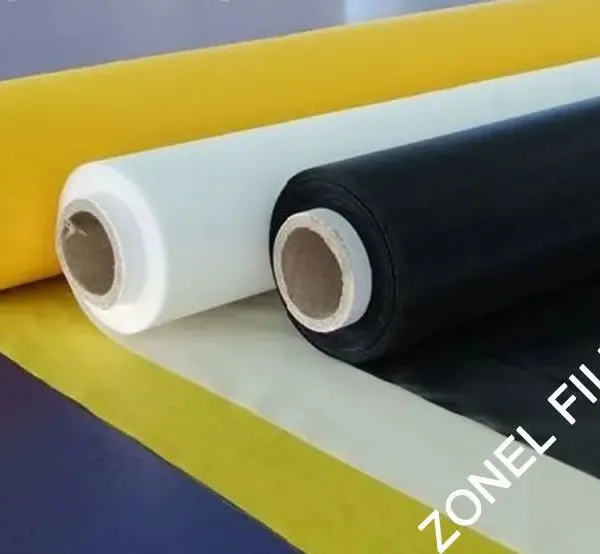 Read More
 -
ilter Cloth Technical Specs: Air Permeability, Weight, and Tensile
August 25, 20261. The press that ran hot because no one read the specA gypsum line some time ago bought cloth by price and ignored tensile on the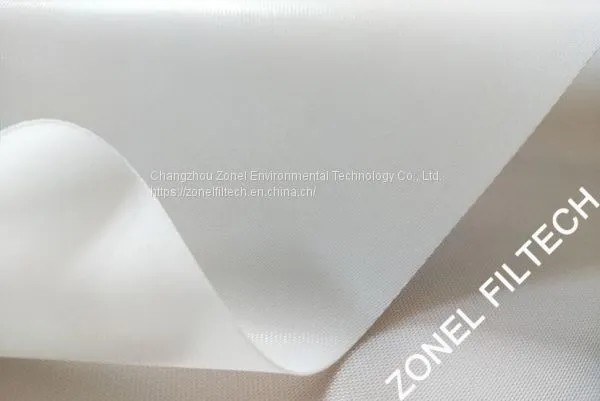 Read More

Contact Us
Recommended Products
-
 Woven Filter Fabrics / Filter Cloth / Filter Press ClothNegotiableMOQ: 100 Meters
 -
Pulse Jet Bag Filter Housing and Filter Housing AccessoriesUS$ 500 - 2000MOQ: 1 Piece
-
Candle Filters/ Candle Filter SystemNegotiableMOQ: 1 Set
-
Oblique Installing Cartridge Dust Collector/Cartridge Dust Collectors/ Dust Filter Cartridge FiltersUS$ 500 - 2000MOQ: 1 Set
-
Polyamide (PA)/Nylon Bolting Cloth / Mesh for Printing and General Filtration/ Filter MeshNegotiableMOQ: 100 Meters
-
Air Slide Hose/ Air Slide Hose for Cement Trailer/ Air Slide Hose for Cement SiloUS$ 1 - 3MOQ: 1 Meter
-
Polyester Needle Felt and Filter Bags for Dust Collector SystemsUS$ 1 - 2MOQ: 1 Piece
-
Anti-static Needle Felt Filter Cloth and Filter BagUS$ 1 - 2MOQ: 1 Piece
-
Filter Press Belt/ Vacuum Filter Belt/ Forming BeltUS$ 5 - 25MOQ: 1 Piece
-
PP Woven Filter Cloth for Filter PressUS$ 1 - 15MOQ: 1 Piece
-
PET Woven Filter Cloth for Filter PressUS$ 1 - 15MOQ: 1 Piece
-
The Filter Belt for Phosphoric Acid Filtration With Wet ProcessingUS$ 10 - 30MOQ: 1 Piece
-
SS Bag Filter Housing – Single Bag Side EntranceNegotiableMOQ: 100 Pieces
-
Vertical Installing Cartridge Dust Collector/Cartridge Dust Collectors/ Dust Filter Cartridge FiltersUS$ 500 - 2000MOQ: 1 Set
-
High Flow Cartridge Filter Housing-HFC SeriesNegotiableMOQ: 1 Set
-
SS Cartridge Filter HousingNegotiableMOQ: 1 Set
-
S.S. Multi-Bag Filter HousingNegotiableMOQ: 100 Pieces
-
Aramid / Nomex Needle Felt Filter Cloth for Dust Filter Bags Sewing; Nomex Dust Filter BagsUS$ 5 - 8MOQ: 1 Piece
-
Para-Aramid Filter Fabric / Kevlar Filter Cloth And Filter BagsNegotiableMOQ: 100 Meters
-
Polyester Air Slide Fabric, Polyster Air Slide Belt, Polyester Air Slide Membrane, Polyester Air Slide ClothUS$ 10 - 20MOQ: 1 Meter