
 Business License

How to Choose the Right Micron Rating for Liquid Filter Bags
1. The cloudy filtrate that failed a customer audit
A beverage contract filler not long ago shipped a batch that failed a customer clarity check. The micron-rated filter bag in the line was rated far finer than the suspended load, so it blinded within hours. The plant switched to a coarser bag and the filtrate cleared on the next run.
The failure was not the bag quality but the rating choice made at purchase. A micron number that looks safer on paper can ruin a run in the tank without warning. This article walks through picking the right micron rating for liquid filter bags without guessing at the grade.
The cost of a wrong rating is a stopped line and a rejected shipment, not just a cloudy bottle. Buyers who read the rating as a target, not a trophy, avoid that loss. The steps below turn the number into a working choice for your fluid.
2. What a micron rating really means
A micron is one thousandth of a millimeter, a unit for particle size in a stream. The micron rating of a filter bag states the smallest particle the media is expected to hold back. It is a guide to cut size, not a promise of complete clarity in every case.
Changzhou Zonel Environmental Technology Co Ltd prints the rating on every liquid filter bag it ships to a buyer. Buyers should read it as a target, not as a guarantee of zero solids in the output. The real result depends on the bag construction and the feed behind it.
A rating is a starting point for a trial, not the final word on performance at a plant. The same bag in two streams gives two different results because the load differs. Treat the number as a hypothesis to confirm on site with your own liquid.
A quick on-site check with a graded sieve or a lab count of your feed takes an afternoon and settles the doubt. The reading tells you whether the bag rating you planned sits above or below the bulk of your load. Spend that afternoon before the order and you avoid a case of bags that never fit the stream.
3. Absolute vs nominal micron ratings
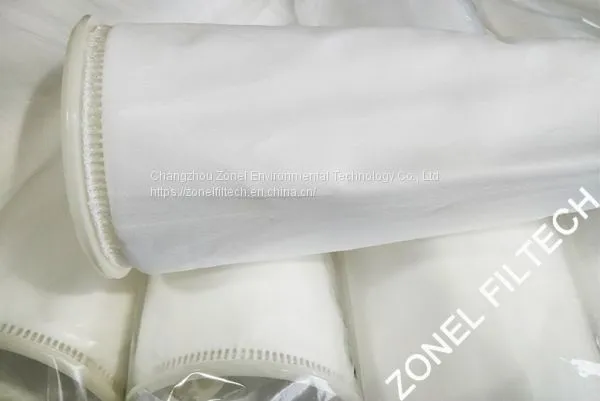
Nominal ratings remove a stated percentage of particles near the rating, often around 80 to 90 percent of them. Absolute ratings remove nearly all particles at or above the stated size in the stream. The two numbers are not interchangeable on a quote from a supplier.
Zonel Filtech always states which type applies because the difference changes the filtrate quality you ship. A nominal 10 micron bag and an absolute 10 micron bag behave nothing alike in the same stream. Asking which one you are buying prevents a costly mismatch at commissioning time.
The label alone hides the real performance gap between the two grades. The table below shows how the same number can mean different removal in practice. Confirm the type before you compare two bags on price in the market.
| Rating type | Typical removal | Use |
|---|---|---|
| Nominal | 80 to 90 percent near size | Pre-filter and protection |
| Absolute | Near total at size | Final polish and critical clarity |
For a critical clarity line, ask for absolute ratings and the test method behind them. For a protection step, nominal is usually enough and costs less per bag. Match the type to the consequence of a miss, not to the catalog default.
4. Matching the micron rating to your particles
Start from the size of the solids you must remove, not from a round number on a shelf. If your load is mostly 20 to 50 microns, a 10 micron bag catches it with margin and still runs a full shift. A 1 micron bag would blind fast on the same feed and raise pressure.
Our team asks for a particle size distribution before recommending a grade to a buyer. Guessing the rating from the liquid color alone leads to short bag life and surprise changeouts. The feed, not the wish, sets the number you should order.
A distribution chart turns the guess into a plan that holds through a campaign. Plot the load, pick a rating a step below the bulk, and leave margin for the tail. That margin is what keeps the bag open when the batch varies by a few microns.
Pull the sample from a point that reflects the real run, not from a calm settling tank that hides the worst. A sample taken at the pump discharge or the line under load shows the true size spread you must design around. A wrong sampling point is the quiet reason two plants read the same product differently.
5. Why a finer micron is not always better
Finer bags give clearer filtrate but at a clear cost in service. They blind sooner, raise pressure across the housing, and need more frequent changeout on the line. In many lines a slightly coarser bag with a final polish step costs less over a month of running.
The company often suggests a two stage setup for buyers: a coarser bag to take the bulk, then a finer one for clarity. That split extends life and keeps pressure steady through the shift. Clarity and runtime are a trade, not a single dial to turn on the panel.
Balance the two and the line stays up while the product still passes. Forcing one fine bag to do both jobs usually fails on the first front. Stage the duty and each bag does the work it was built for in the housing.
6. Bag vs cartridge micron choices
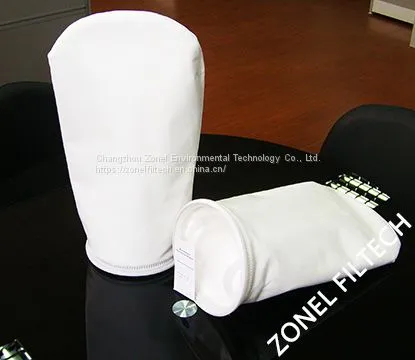
Liquid filter bags suit high dirt load and easy changeout in bag housings on a plant. Cartridges suit steady flow with less solids and a fixed micron grade in a line. Both come in micron ratings, but the bag handles surges better than a rigid element does.
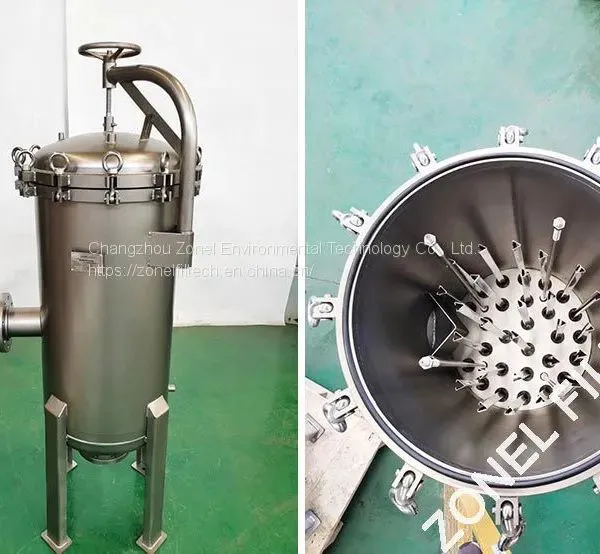
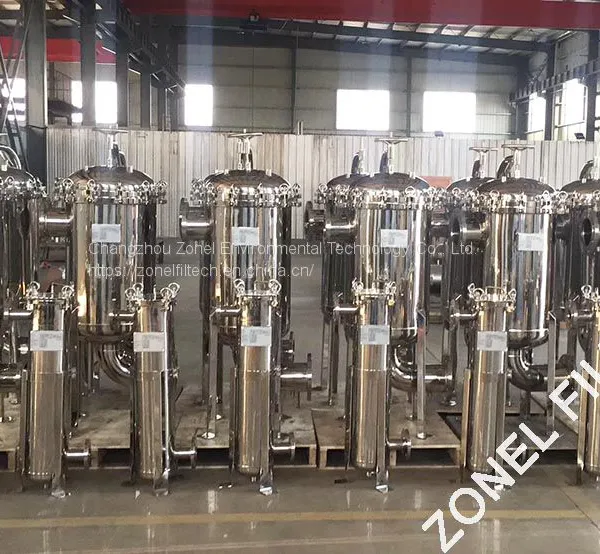
Changzhou Zonel Environmental Technology supplies single and multi-bag housings with matched bags for buyers. The vessel decides the format before the micron does when you plan a line. Pick the housing first, then the rating that fits it.
A bag in the wrong vessel simply will not seal or flow as designed on the floor. The format and the micron are linked through the housing geometry and pressure. Confirm the vessel, then tune the grade to the fluid you run through it daily.
When a line grows, the same micron bag may need a larger housing rather than a change of grade. Scaling the vessel keeps the cut size you already trust while raising flow to match demand. Keep the proven grade and grow the hardware around it where the budget allows.
7. Reading the micron rating chart
A rating chart lists bag grades by micron and by flow for a housing size. Use it to pair the cut size with the flow your line needs at full rate. A bag rated for fine micron passes less flow than a coarse one of the same size and model.
Zonel Filtech provides charts that show both so buyers do not oversize the housing in a quote. Reading flow and micron together avoids a housing that is too small for the grade you picked. The chart is a planning tool, not a substitute for a sample test on site.
Use it to shortlist two candidates, then confirm on site with your liquid. The table below shows a typical pattern for one housing size across the common ratings. Compare rating against expected flow when you size a bag for the duty.
| Micron | Relative flow | Typical duty |
|---|---|---|
| 1 to 5 | Lower | Final polish |
| 10 to 25 | Medium | General clarity |
| 50 to 100 | Higher | Coarse protection |
8. Testing the micron grade before you commit
A side-by-side run of two ratings on your actual liquid settles the choice faster than debate does. Run the coarser candidate and the finer candidate for a shift each and record pressure and clarity. The company sends sample bags for this check rather than asking buyers to guess.
A one week trial costs far less than a wrong full case of bags on a line. The result also sets the reorder grade with confidence for the year ahead. Measure on site, then order in volume, and the risk drops to near zero for the buyer.
Keep the trial data with the spec sheet so the next purchaser repeats the win. A short log of pressure and clarity per grade is worth more than any brochure claim. The plant owns the proof once the test is run.
Compare the two candidates on cost per liter filtered, not on bag price alone, because the longer-running grade often wins on the month. A bag that costs more but changes half as often can lower labor and downtime below the saving of a cheap option. The trial data makes that trade visible instead of theoretical for the buyer.
9. How Zonel Filtech specifies micron filter bags
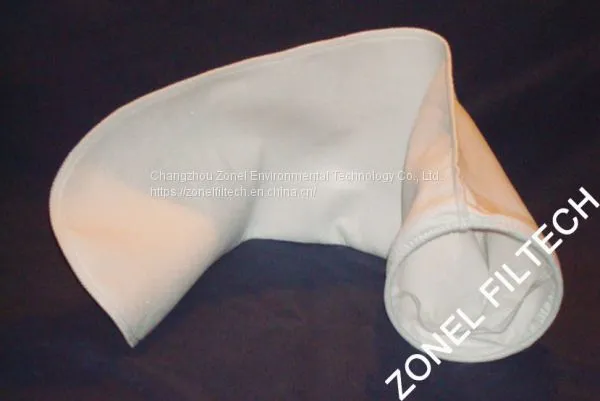
The company builds liquid filter bags in polypropylene and polyester with welded or sewn seams for buyers. Our team matches the micron rating to the sample and the housing model you send us. Changzhou Zonel Environmental Technology documents the rating type and the removal level on the spec sheet.
Finished bags pass a performance check before dispatch from the workshop to the port. For a new line, the team recommends starting one step coarser than the target and tightening after the trial. That path protects uptime while you learn the real load on the floor.
A small buffer of the trial grade covers the first weeks before the full order arrives. With more than 40 countries served and workshops since 2008, the company can match most housings from stock. Buyers get a grade tuned to the fluid, not a generic off-the-shelf bag.
10. FAQ
10.1 What micron bag do I need for water?
For typical process water, a 5 to 25 micron bag removes silt and most debris in a single pass. For tighter clarity, drop to 1 to 5 micron as a final step after a coarser bag. The feed source decides, so test a sample first at the plant.
Zonel Filtech can suggest a starting grade from the water profile you provide. A pond source needs a coarser bag than a well source because the load differs. Match the bag to where the water comes from, not to a fixed number.
10.2 How often should a micron filter bag be changed?
Change when pressure rises to the housing limit or clarity drops, not on a fixed calendar date. Load varies by season and batch, so the interval varies too across the year. Our team logs the first runs to set a realistic schedule for the buyer.
Tracking pressure is the reliable signal that the bag is near blind. A sudden pressure rise means the bag is full, not that the pump failed on the line. Read the gauge, not the date, and the changeout lands at the right moment.
10.3 Can I reuse a micron-rated filter bag?
Some woven bags wash and reuse, but most depth bags are single use once blinded in service. Reuse risks trapped solids breaking loose downstream into the product stream. The company marks which grades are washable on the spec for the buyer.
Guessing shortens equipment life and risks the filtrate you ship to a customer. Wash the grades rated for it, and inspect the seam each time before refit. Reuse is a saving when the maker confirms the grade and the duty allow it, so keep the spec note with the spare stock.
10.4 Does a higher micron number mean coarser?
Yes, a higher micron number means larger pores and coarser filtration through the media. A 100 micron bag passes more and catches less than a 10 micron bag of the same build. Buyers sometimes read the number backwards, so confirm the direction on the chart.
The rating scale runs from fine to coarse as the number rises on the sheet. Keep a reference card near the housing so the grade is never mixed up during a rush changeout. A clear label on the shelf prevents the wrong bag from going in.
Recently Posted
-
Polyester vs Polypropylene Filter Cloth: Which Fits Your Process
August 20, 20261. The acid tank that ate the wrong clothA plating line a while back switched to a cheaper filter cloth without checking chemical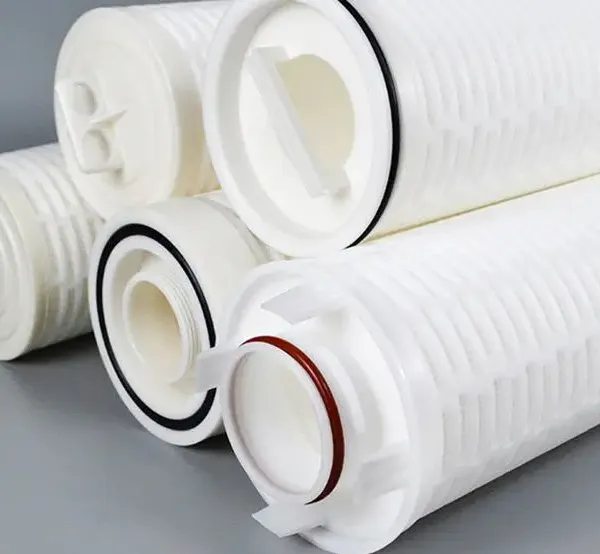 Read More
 -
What Is Filter Cloth? A Practical Definition for Industrial Buyers
August 19, 20261. The wrong cloth that cost a plant its weekendA mineral processing operation some time ago ran a pilot on a new slurry line. The Read More

Contact Us
Recommended Products
-
 Woven Filter Fabrics / Filter Cloth / Filter Press ClothNegotiableMOQ: 100 Meters
 -
Pulse Jet Bag Filter Housing and Filter Housing AccessoriesUS$ 500 - 2000MOQ: 1 Piece
-
Candle Filters/ Candle Filter SystemNegotiableMOQ: 1 Set
-
Oblique Installing Cartridge Dust Collector/Cartridge Dust Collectors/ Dust Filter Cartridge FiltersUS$ 500 - 2000MOQ: 1 Set
-
Polyamide (PA)/Nylon Bolting Cloth / Mesh for Printing and General Filtration/ Filter MeshNegotiableMOQ: 100 Meters

-
Air Slide Hose/ Air Slide Hose for Cement Trailer/ Air Slide Hose for Cement SiloUS$ 1 - 3MOQ: 1 Meter
-
Polyester Needle Felt and Filter Bags for Dust Collector SystemsUS$ 1 - 2MOQ: 1 Piece
-
Anti-static Needle Felt Filter Cloth and Filter BagUS$ 1 - 2MOQ: 1 Piece
-
Filter Press Belt/ Vacuum Filter Belt/ Forming BeltUS$ 5 - 25MOQ: 1 Piece
-
PP Woven Filter Cloth for Filter PressUS$ 1 - 15MOQ: 1 Piece

-
PET Woven Filter Cloth for Filter PressUS$ 1 - 15MOQ: 1 Piece
-
The Filter Belt for Phosphoric Acid Filtration With Wet ProcessingUS$ 10 - 30MOQ: 1 Piece
-
SS Bag Filter Housing – Single Bag Side EntranceNegotiableMOQ: 100 Pieces
-
Vertical Installing Cartridge Dust Collector/Cartridge Dust Collectors/ Dust Filter Cartridge FiltersUS$ 500 - 2000MOQ: 1 Set
-
High Flow Cartridge Filter Housing-HFC SeriesNegotiableMOQ: 1 Set
-
SS Cartridge Filter HousingNegotiableMOQ: 1 Set
-
S.S. Multi-Bag Filter HousingNegotiableMOQ: 100 Pieces
-
Aramid / Nomex Needle Felt Filter Cloth for Dust Filter Bags Sewing; Nomex Dust Filter BagsUS$ 5 - 8MOQ: 1 Piece
-
Para-Aramid Filter Fabric / Kevlar Filter Cloth And Filter BagsNegotiableMOQ: 100 Meters
-
Polyester Air Slide Fabric, Polyster Air Slide Belt, Polyester Air Slide Membrane, Polyester Air Slide ClothUS$ 10 - 20MOQ: 1 Meter